
“The Things People Say That Don’t Help (Even If They Mean Well)”
“The Things People Say That Don’t Help (Even If They Mean Well)”
(A Cantankerous Housewife Survival Guide to Cancer Commentary)
Cancer Commentary)
Cancer changes everything. Your body, your calendar, your tolerance for pants with buttons… and especially your tolerance for nonsense. Cancer is a very unwelcome guest that does not go home. It’s not a fun topic to discuss, and the question of whether to talk about it has been whether to share my journey. Yes, I have cancer, and there are observations I have made concerning this unwanted journey.
Once you start the road to treatments and you tell others about your diagnosis, suddenly—suddenly—everyone becomes a motivational speaker, an amateur oncologist, or your aunt Linda who read one article on turmeric in 2007 and is now spiritually convinced she could cure you with a crockpot.
Let me say this upfront: people mean well. Truly. Bless their hearts.
But good intentions and helpful words are not the same thing. The latest fad article, food, or some obscure device is not going to create the next breakthrough miracle cure…it just will not do that. It’s well-intentioned but not often very good advice. What I’ve learned along this trajectory, I want to share with you. Grab a cup of coffee or some tea and let’s chat.
So let’s talk about it—the things people say about cancer that don’t help… with a little honesty, a little humor, and just enough sass to keep me from throwing a candle at someone.

“Everything happens for a reason.”
Oh good. Fantastic. So somewhere out there is a cosmic filing cabinet labeled “Why Lynnette Needed Cancer,” and I would very much like to speak to the manager. At this moment, I feel I have earned the right to speak to the manager and ask why they thought this was such a good idea.
This phrase is supposed to be comforting, but it can feel like someone is trying to wrap your reality in a Pinterest quote and call it a day. I never understood the need for this phrase, and until my own cancer diagnosis, I found I, too, was guilty of using this phrase. Sometimes there isn’t a reason. Sometimes life just hands you something awful and says, “Here. Character development.”
The best thing you could say in a time like this:
“I don’t understand this, but I’m here.”
Bonus points if you bring snacks.
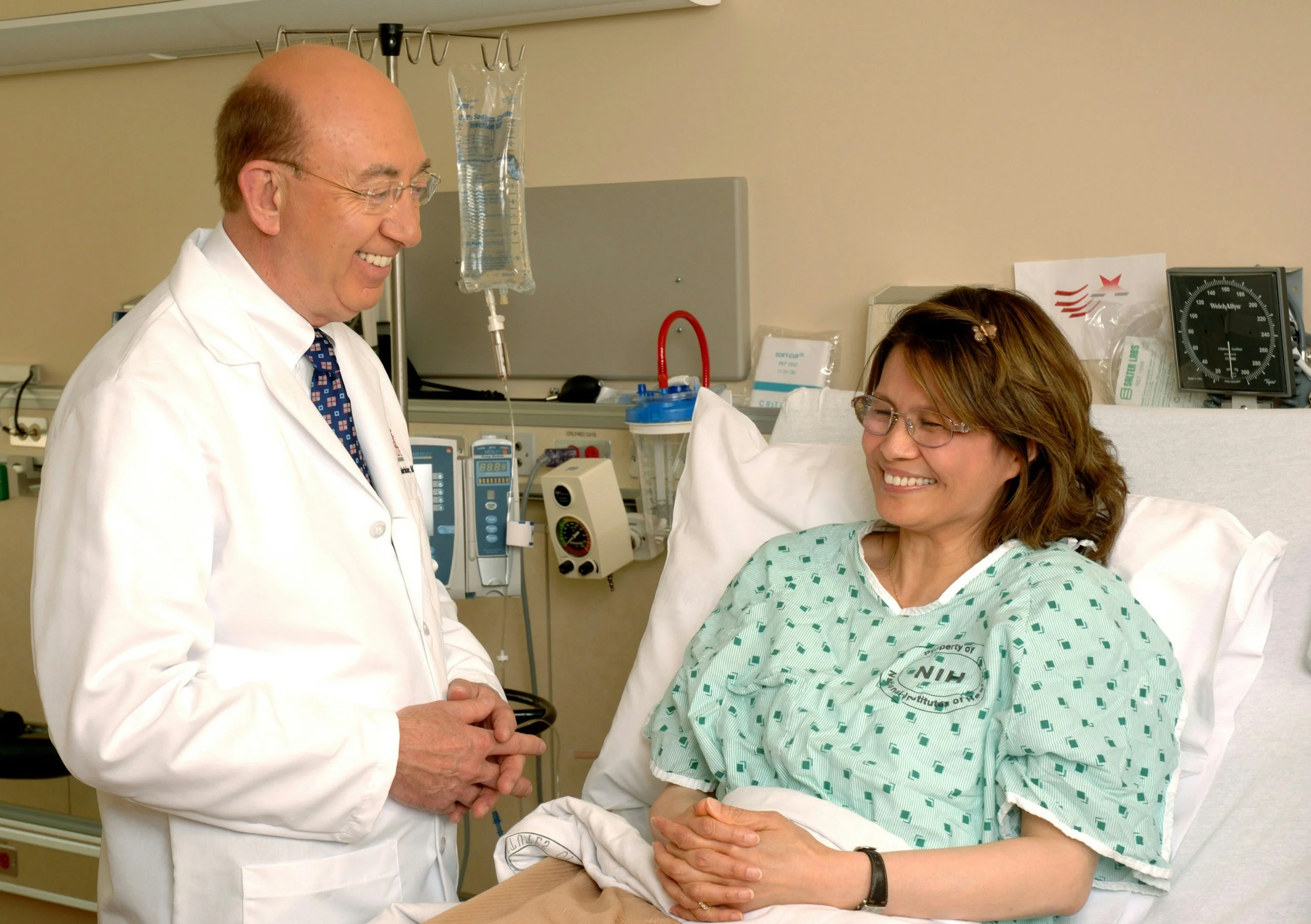
“Stay positive!”
Ah yes. The classic. This is a phrase I hate, and it’s usually delivered by someone who slept eight hours, had a full breakfast, and is not currently negotiating with their own digestive system. Listen, I would love to stay positive. I would also love to drink coffee that doesn’t taste like regret and betrayal right now, but here we are. Positivity is great… until it turns into pressure. Because now not only do I have cancer, but apparently I also have to perform as a Disney princess about it. There is nothing about cancer that screams rainbows and unicorns. It is difficult to stay cheerful when what you want to do is cry into your coffee or hope that bowl of cottage cheese doesn’t resemble hopelessness.
Some options that work better are:
“You don’t have to be positive all the time.”
“You can be grumpy. I’ll sit with you anyway.”
And bring snacks.
“Stay positive!”
“At least…” (followed by literally anything)
“At least it’s treatable.”
“At least they caught it early.”
“At least…”
No. No more “at least.”
“At least” is the emotional equivalent of putting a smiley sticker on a broken arm. Pain is not a competition. I am not trying to win the Most Deserving of Sympathy award. I'm working to get through Tuesday. Minimizing the cancer itself is also not helpful, oh, and there is the dreaded “It could be worse…” Explain that one. There is no just to this thing called cancer; there are different types, and they are all equally disturbing, trying, and difficult to navigate.
What really works best are something like:
“That sounds really hard.”
Simple. No glitter required. No minimizing the struggle, because let’s face it there really is no minimizing cancer.
Oh, and bring snacks.
“I know someone who had that…”
Oh good. Story time. This is either going to end in a miracle or a cautionary tale I did not ask for and will now think about at 3 a.m. Here’s the deal: cancer stories are like Yelp reviews—you really only remember the bad ones. And you remember the bad ones clearly when you are waiting for scan results. Before launching into a story, maybe ask:
“Do you want to hear about someone else’s experience, or would you rather not?”
Because sometimes the answer is: “I would rather discuss literally anything else, including taxes.”
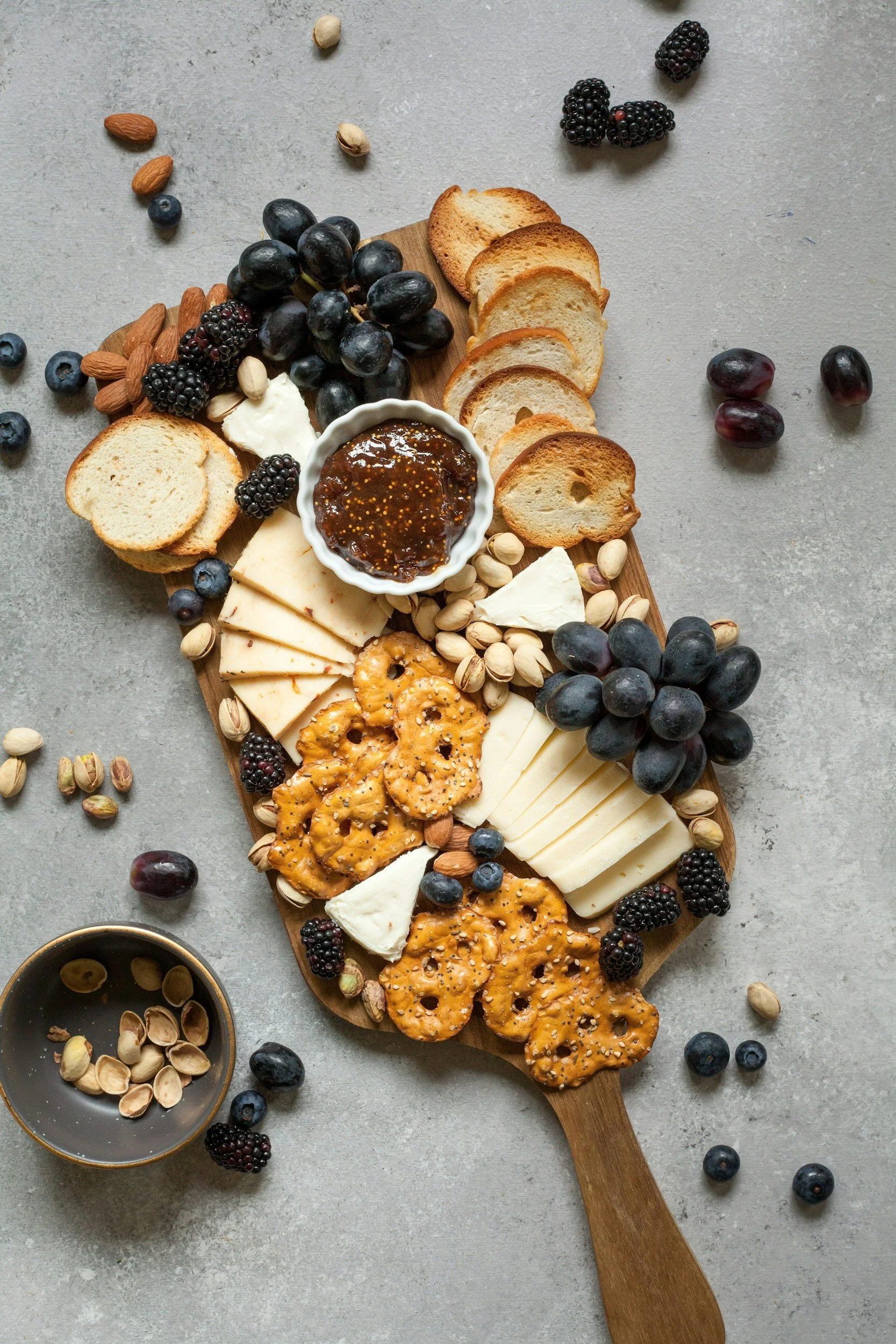
bring snacks.
“You’re so strong.”
This one sounds nice. And sometimes it is.
But sometimes it feels like being handed a job title you didn’t apply for. Strong means I don’t cry, right? Strong means I handle this with grace and dignity, and maybe a soft piano soundtrack? There’s no dramatic, cinematic camera fade to the next scene. Listen. I am strong. I am also tired, cranky, and occasionally one minor inconvenience away from crying over a burnt grilled cheese. There are days when I curl up in my blankets on the couch and watch crime dramas all day. There is no “strong” on those days. Telling someone they are strong, or to be strong, only adds to the guilt when they are only as strong as a wet noodle.
Try this:
“I admire you—and it’s okay if you’re not okay.”
Because strength and falling apart are not mutually exclusive, sometimes they happen in the same hour.
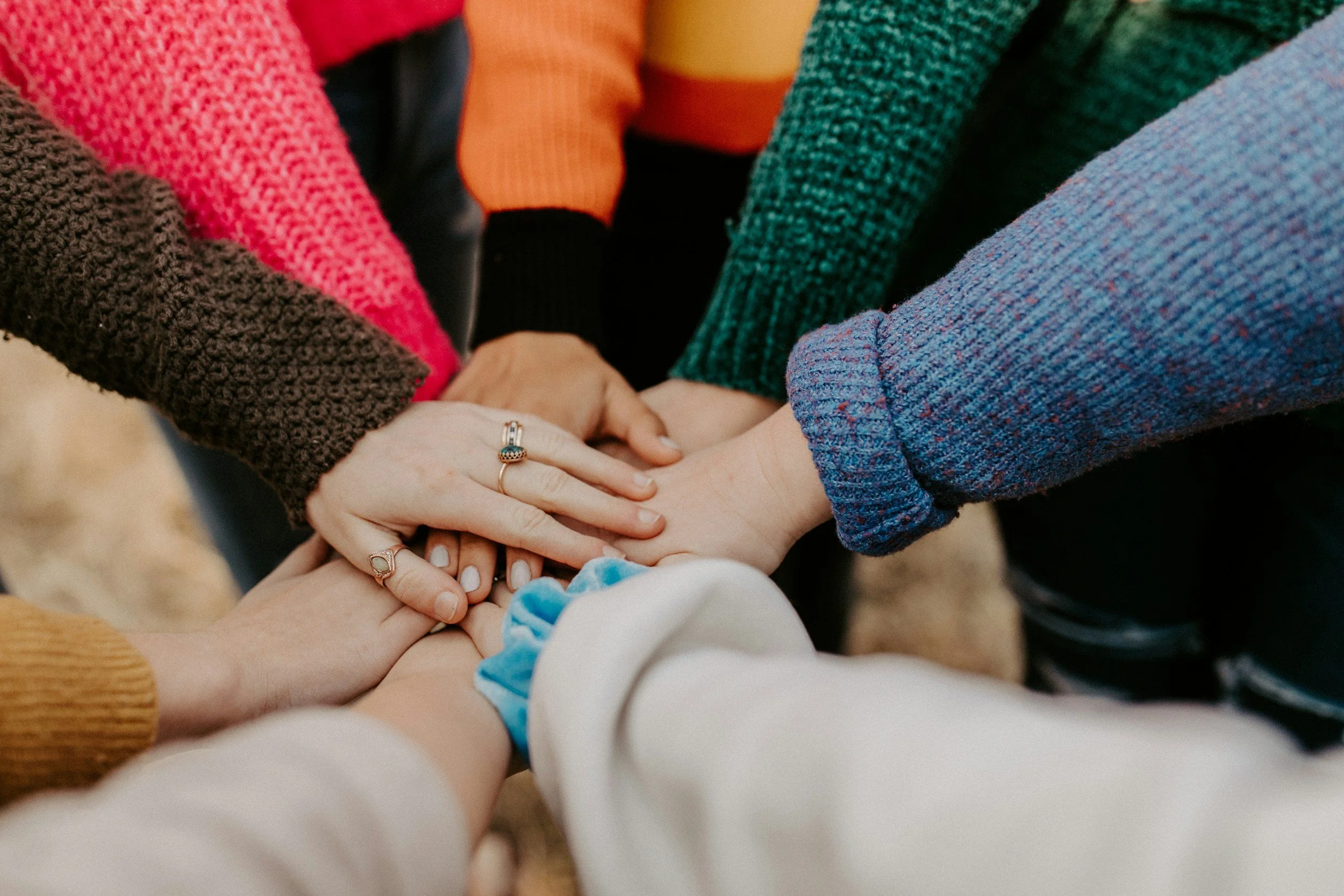
“I’m showing up with coffee and zero expectations.”
“Let me know if you need anything.”
This is kind. Generous. Vague as heck. Sometimes the person saying this is trying to be nice, but they really, secretly hope you do not ask them for anything.
Because now I have to:
Figure out what I need today
Decide if it’s worth asking because no one wants to be a bother
Overthink it, whether or not I should ask for something
Probably not to ask because then I might put you out
All while trying to remember if I took my meds.
Instead, try saying things like:
“I’m dropping off dinner Thursday.”
“I can drive you.”
“I’m showing up with coffee and zero expectations.”
Specific help is the love language of people who are too tired to organize their own support system.
The Silence (Ghosting)
And then there are the people who say nothing at all. They sit silently as you tell them the news, then they disappear. Yep, tell someone you have cancer, and suddenly it’s as if that person took a Safari to the Antarctic. I get it—people don’t know what to say. But silence can feel like being quietly erased. It’s as if I suddenly became contagious through text messages. These days, my teens would call that ghosting. You don’t need perfect words. You just need to show up and say, “Hi. I don’t know what to say, but I care about you.”
Boom. Done. Gold star—no motivational poster required.
Bonus Round: The “Have You Tried…” Brigade
“Have you tried cutting out sugar?”
“Have you tried essential oils?”
“Have you tried this cleanse my cousin’s neighbor swears by?”
Ma’am. If cancer could be defeated by kale and positive thinking, we would have solved this a long time ago. Please assume my medical team and I have discussed things slightly more advanced than a Pinterest detox water.
A better approach:
“Is there anything you want to try that I can support you with?”
What Actually Helps
If you’re supporting someone with cancer, here’s the secret:
Be real
Be present
Don’t try to fix it
Maybe bring food (seriously, food is elite support)
You don’t need a script. You just need to stay.

Be present
Final Thoughts from a Slightly Irritated Housewife
Cancer has a way of stripping life down to what’s real. And what’s real is this: People don’t need perfect words. They need honest ones.
They need presence.
They need someone who can sit in the messy, uncomfortable, unfiltered parts of this without trying to tidy it up.
And if you say the wrong thing? Congratulations. You’re human.
We’ll either laugh about it later… or I’ll turn it into a blog post. Either way, you’ve been warned. The best thing you can say is still the simplest: “I’m here.” And then—stay. Be present. That’s all anyone can do. Be there as a shoulder to cry on. Be the strength when called upon. (And maybe bring snacks. I cannot stress that enough.)


